
The Presto 23 Qt Pressure Canner is a versatile kitchen appliance, ideal for safely preserving foods. Its manual details operation, ensuring successful canning experiences for beginners and experts alike.
What is a Pressure Canner?
A pressure canner, like the Presto 23 Qt, is a specialized pot designed to process foods at high temperatures – 240°F (116°C) – achieving a seal that prevents spoilage. Unlike water bath canning, pressure canning is essential for low-acid foods like meats, poultry, seafood, and vegetables.
The manual emphasizes its household use only. It creates a sealed environment, building internal pressure to safely eliminate harmful bacteria, including Clostridium botulinum, which causes botulism. Understanding its function, as detailed in the provided manual, is crucial for safe food preservation.
Benefits of Using a Presto 23 Qt Canner
The Presto 23 Qt offers numerous benefits for home canning. It allows for safe preservation of a wide variety of foods, extending shelf life and reducing food waste. The manual highlights its dual functionality as both a pressure canner and a cooker, increasing kitchen versatility.
Its large capacity efficiently processes larger batches, saving time and energy. Regular cleaning, as outlined in the manual, ensures longevity. Plus, replacement parts are readily available, maintaining its performance for years.
Safety Precautions
The Presto 23 Qt manual emphasizes crucial safety measures. Always read the manual thoroughly before first use, understanding proper operation is paramount. Never attempt to open the canner while pressurized; allow natural cooling or follow quick-cooling instructions carefully.
Avoid vigorous rocking of the pressure regulator, as this can release steam and affect processing. This appliance is for household use only. Inspect the sealing ring after each use and replace when worn, ensuring a secure seal.

Understanding the Parts
The Presto 23 Qt features a canner body, lid with a locking mechanism, pressure regulator, steam vent, and a rack for optimal jar placement.
Canner Body
The Presto 23 Qt’s robust canner body is constructed from heavy-gauge aluminum, ensuring even heat distribution for efficient and safe processing. This material is suitable for most cooktops, though specific compatibility varies. Nonabrasive cleansers are recommended for cleaning to maintain its integrity and shine; occasional polishing enhances the exterior. Avoid harsh chemicals that could damage the aluminum. The body’s design accommodates up to 8-pint or 7-quart jars, providing ample capacity for preserving large batches of food. Regular inspection for dents or damage is crucial for safe operation.
Pressure Regulator
The pressure regulator is a critical component, maintaining the correct pressure during canning. The manual emphasizes avoiding vigorous rocking, as this indicates excess steam escaping and potential liquid loss, impacting food preservation. It’s essential to use the correct weight specified for your altitude and recipe. Regularly check the regulator for wear or damage. Replacement parts are readily available from Presto or hardware stores. Proper function ensures safe and effective pressure canning, vital for low-acid foods.
Lid and Locking Mechanism
The Presto 23 Qt’s lid features a secure locking mechanism, preventing opening during pressurization. The manual stresses never forcing the lid open; allow natural cooling or use quick cooling methods as instructed. The lid itself isn’t immersible. After each use, remove the sealing ring to clean the lid’s inner rim thoroughly. Inspect the locking mechanism regularly for proper function, ensuring a tight, safe seal each time you can.
Steam Vent/Cover Lock
The Presto 23 Qt’s steam vent and cover lock are crucial safety features. Before pressurizing, ensure the vent is clear for proper venting. The cover lock prevents the lid from being opened while pressure remains inside. The manual explicitly warns against forcing the lid open; it will unlock automatically when pressure is safely released. Excess steam escaping indicates potential issues, as described in the manual’s troubleshooting section.
Rack
The Presto 23 Qt pressure canner includes a rack to keep jars elevated off the bottom, ensuring even heat distribution during processing. The manual stresses the importance of using the rack to prevent jars from sticking and potentially breaking. It also notes that the rack prevents contents from directly contacting the canner’s base. Proper rack placement is vital for safe and effective canning, as detailed in the included recipe guidelines.

Preparing to Can
Proper preparation is key for safe canning with the Presto 23 Qt. The manual emphasizes jar preparation, headspace, and selecting approved recipes for optimal results.
Water Bath Canning vs. Pressure Canning
The Presto manual clearly differentiates between water bath and pressure canning methods. Water bath canning, suitable for high-acid foods like fruits and pickles, relies on boiling water to create a vacuum seal. However, low-acid foods – vegetables, meats, and soups – require pressure canning.
Pressure canning achieves higher temperatures, essential for destroying Clostridium botulinum spores, preventing botulism. The Presto 23 Qt excels at pressure canning, offering a safe and effective way to preserve these lower-acid items; Always consult the manual for appropriate processing methods based on food type.
Recommended Canning Recipes
The Presto 23 Qt manual emphasizes using tested recipes from reliable sources like the USDA Complete Guide to Home Canning or the National Center for Home Food Preservation. It cautions against altering ingredient proportions or processing times, as this can compromise safety.
Updated recipes, including those for induction cooktops, may be found in recent French manuals referenced online. The manual stresses following specific guidelines for each food type to ensure proper heat penetration and a secure seal, preventing spoilage and ensuring food safety.
Jar Preparation
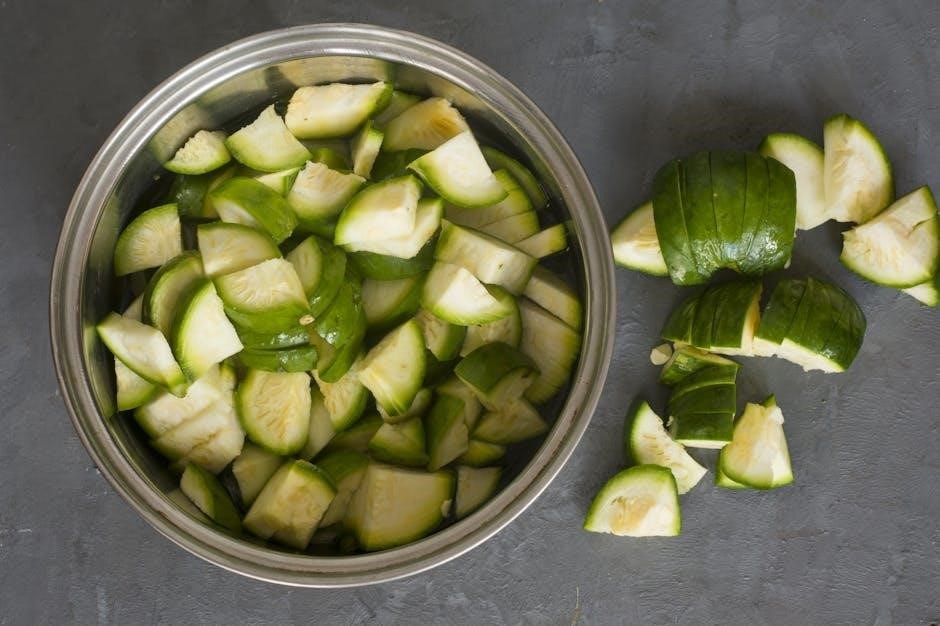
The Presto 23 Qt manual details crucial jar preparation steps for safe canning. Jars must be thoroughly washed in hot, soapy water and rinsed. Sterilization is required for processing times under 10 minutes; otherwise, washing is sufficient. Inspect jars for cracks or chips, discarding any damaged ones.
The manual also highlights the importance of keeping jar rims clean and free of food residue to ensure a proper seal. Properly prepared jars are fundamental to successful preservation and preventing food spoilage.
Headspace Requirements
The Presto 23 Qt manual emphasizes the importance of proper headspace when canning. Headspace, the empty space between the food and the lid, allows for expansion during processing and helps create a vacuum seal. Recommended headspace varies by food type.
Generally, low-acid foods like vegetables require 1-1/4 inches, while high-acid foods like fruits need 1/2 inch. Accurate headspace measurement, as detailed in the manual, is critical for safe and effective food preservation.
Operating Instructions
The Presto manual guides users through filling with water, loading jars, securing the lid, venting steam, and achieving the correct pressure for safe canning.
Filling the Canner with Water
According to the Presto manual, the amount of water needed depends on the recipe and jar size. Generally, add 2-3 inches of water for most canning processes. Ensure water surrounds the jars; do not fill above the maximum fill line indicated inside the canner.
For high-acid foods, like fruits, a smaller amount is sufficient. Low-acid foods, such as vegetables and meats, require more water to achieve proper heat distribution and safe processing. Always consult your specific recipe for precise water level instructions, as detailed in the Presto documentation.
Loading Jars into the Canner
The Presto manual instructs to place the rack inside the canner before loading jars. Carefully lift filled jars, ensuring they don’t touch the sides of the canner. Space jars evenly to allow for proper heat circulation during processing.
Do not overload the canner; jars need room for steam to vent. The manual emphasizes avoiding direct contact between jars to prevent breakage. Ensure jars are upright and stable on the rack before securing the lid, following the guidelines in the instruction book.
Securing the Lid
The Presto manual details a precise lid-securing process. Align the lid with the canner body, ensuring the gasket is properly positioned. Rotate the lid until it locks into place, indicated by the arrows on the lid and body.
A secure lock is crucial for building pressure safely. Never attempt to operate the canner if the lid doesn’t lock correctly. The manual warns against forcing the lid, as this could compromise the seal and lead to dangerous conditions during operation.
Venting the Canner
The Presto manual emphasizes the importance of proper venting. After securing the lid, leave the pressure regulator off. Heat the canner on high until a steady stream of steam escapes from the vent port for ten full minutes.
This crucial step removes air, ensuring accurate pressure development. The manual explicitly states that this venting process is non-negotiable for safe operation. Failure to vent adequately can result in incorrect processing times and potential food spoilage;
Pressurizing the Canner
Following venting, place the pressure regulator onto the vent pipe. As the canner continues to heat, pressure will build inside. The manual details that the regulator will begin to rock gently when the correct pressure is reached.
Monitor the gauge closely; avoid excessive rocking, as this indicates too much steam escaping. Adjust the heat to maintain the desired pressure throughout the processing time, as outlined in approved canning recipes.
Monitoring and Adjusting Pressure
The manual emphasizes consistent pressure during canning. Regularly check the gauge and adjust the burner heat to maintain the recipe’s specified pressure level.
Understanding Gauge Readings
The Presto manual details how to accurately interpret the pressure gauge. It’s crucial to understand that readings reflect pounds per square inch (PSI). Different foods require different PSI levels for safe preservation.
Pay close attention to your altitude, as it impacts boiling point and required pressure. The manual provides charts for adjusting PSI based on elevation. Regularly check the gauge during operation; a consistent reading is vital.
If the gauge is difficult to read, or appears damaged, consult the service and parts information in the manual for replacement options. Accurate readings are paramount for food safety.
Adjusting Heat to Maintain Pressure
The Presto manual emphasizes the importance of consistent pressure during processing. After reaching the desired PSI, adjust the burner heat to maintain that level throughout the entire processing time.
Minor fluctuations are normal, but significant drops or surges in pressure can compromise food safety. Observe the pressure regulator – it should gently rock or jiggle.
If the regulator rocks violently, reduce heat immediately, as excess steam is escaping. Conversely, if pressure drops, increase heat slightly. Careful monitoring is key to successful canning.
Processing Times for Different Foods
The Presto manual provides detailed processing times based on food type, jar size, and altitude. These times are crucial for achieving proper sterilization and preventing spoilage.
Always consult a current, research-based canning guide – like the USDA Complete Guide to Home Canning – alongside the Presto manual for updated recommendations.
Different foods (vegetables, meats, fruits) require varying processing durations and pressures. Accurate timing ensures food safety and quality; never deviate from recommended schedules.
Cooling and Finishing
The Presto manual emphasizes allowing the canner to cool naturally before opening. Checking jar seals is vital to confirm successful preservation, ensuring food safety.
Natural Cooling vs. Quick Cooling
The Presto manual strongly recommends natural cooling, letting the canner depressurize on its own. This method minimizes liquid loss and reduces the risk of jar breakage. Avoid quick cooling by running cold water over the canner, as this can cause siphoning and seal failures. Natural cooling ensures a gradual pressure decrease, preserving food quality and safety. Forcing the cooling process can compromise the integrity of the jars and the preserved contents, potentially leading to spoilage. Patience during cooling is key to successful home canning with your Presto canner.
Checking the Seal
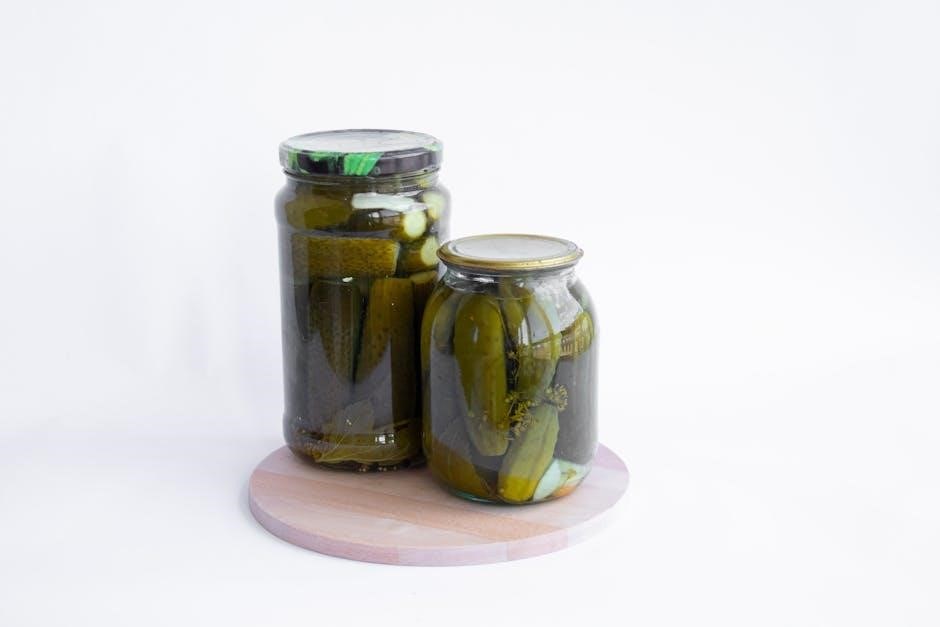
The Presto manual emphasizes verifying a proper seal on each jar after cooling. Press down on the center of the lid; if it flexes, the jar isn’t sealed and should be refrigerated immediately. A properly sealed lid will be concave and won’t move when pressed. Remove the bands after 24 hours to prevent rust. Unsealed jars must be reprocessed with new lids or frozen/refrigerated. Consistent seal checks, as outlined in the manual, are crucial for food safety and long-term preservation.
Removing Jars
The Presto manual advises carefully removing jars from the canner using a jar lifter, keeping them upright. Avoid tilting, which could cause contents to spill and compromise the seal. Place jars on a towel-covered surface, spaced apart for airflow during cooling. Allow jars to cool completely, typically 12-24 hours, before checking seals. Handle jars with care, as they remain hot for a considerable time after processing, as detailed in the instruction book.

Cleaning and Maintenance
The Presto manual stresses using nonabrasive cleansers for the aluminum body and occasional polishing. Regularly clean the lid and sealing ring after each use.
Cleaning the Canner Body
According to the Presto manual, maintaining the canner body’s integrity requires gentle cleaning practices. Avoid harsh abrasives, as they can damage the aluminum finish. Nonabrasive cleansers are recommended for routine cleaning, effectively removing food residue without causing scratches. For a brighter shine, the manual suggests occasional use of a fine metal polish on the exterior.
Ensure the canner is completely cool and empty before cleaning. Wipe down the exterior with a damp cloth and mild detergent. Rinse thoroughly and dry completely to prevent water spots and maintain its longevity.
Cleaning the Lid and Sealing Ring
The Presto manual emphasizes careful cleaning of the lid and sealing ring after each use. The lid itself is not immersible in water; wipe it clean with a damp cloth. Crucially, remove the sealing ring after every canning session to thoroughly clean the inside rim of the lid, preventing buildup.
Wash the sealing ring with warm, soapy water, ensuring all food particles are removed. Inspect for cracks or damage and replace if necessary, as a faulty seal compromises safety.
Replacing the Sealing Ring
The Presto manual highlights the importance of regularly replacing the sealing ring. It’s not a lifetime component and degrades over time, impacting the canner’s ability to reach and maintain proper pressure. Inspect the ring after each use for cracks, nicks, or a generally worn appearance.
Presto recommends replacement at least annually, or more frequently with heavy use. Replacement parts are readily available from hardware stores or directly from Presto, ensuring a secure and safe canning process.
Polishing the Exterior
Maintaining the exterior of your Presto 23 Qt Canner enhances its appearance and longevity. The manual advises using nonabrasive cleansers for routine cleaning, preserving the aluminum finish. However, occasional application of a fine metal polish can restore shine.
Avoid harsh chemicals or scouring pads, as these may damage the surface. Regular polishing not only improves aesthetics but also helps prevent corrosion, ensuring years of reliable service from your canning investment.
Troubleshooting
The Presto manual addresses common issues like failure to pressurize, a rocking regulator, or improper sealing, offering solutions for safe and effective canning.
Canner Won’t Pressurize
If your Presto canner fails to pressurize, the manual suggests checking several key areas. First, ensure sufficient liquid is present, as inadequate liquid prevents steam buildup. Verify the lid is securely locked in place; improper sealing hinders pressure development. Also, confirm the vent pipe isn’t blocked – clear any obstructions.
Excessive venting before locking can also deplete steam. Finally, ensure the pressure regulator is correctly positioned. Refer to the manual’s diagrams for proper placement and troubleshooting steps to resolve this common issue.
Pressure Regulator Rocking Violently
A vigorously rocking pressure regulator, as detailed in the Presto manual, indicates excessive steam escaping. This means liquid is evaporating too quickly, potentially leading to under-processing and food spoilage. Reduce the heat immediately to a lower setting to stabilize the pressure.
Avoid adjusting the regulator itself; instead, control the heat source. The manual emphasizes this is a common issue, easily corrected by carefully monitoring and adjusting the burner temperature throughout the canning process.
Food Not Sealing Properly
If jars fail to seal after processing, the Presto manual suggests several potential causes. Insufficient headspace, improper jar preparation, or food residue on the jar rim are common culprits. Ensure jars are free of chips and lids are new, with properly seated rings – not overly tightened;
Re-process unsealed jars within 24 hours using a fresh lid, maintaining the original processing time. The manual stresses the importance of following recipe guidelines precisely for optimal sealing.
Service and Parts Information
Replacement parts for your Presto 23 Qt Canner are readily available at many hardware stores or directly from Presto, ensuring longevity and continued safe use.
Finding Replacement Parts
Locating replacement parts for your Presto 23 Qt Pressure Canner is straightforward. Many local hardware stores stock common components like sealing rings, pressure regulators, and steam vent covers. However, for a comprehensive selection and guaranteed compatibility, ordering directly from Presto is recommended. Their website provides a detailed parts catalog, allowing you to identify the exact component needed based on your canner’s model number. Presto ensures parts availability to maintain the safety and functionality of your canning equipment for years to come.
Contacting Presto Customer Support
For assistance with your Presto 23 Qt Pressure Canner, Presto offers dedicated customer support channels. While specific contact details may vary, their website typically provides a contact form for inquiries. You can also often find a phone number for direct assistance during business hours. When reaching out, having your canner’s model number readily available will expedite the process. Presto’s support team is equipped to address questions regarding operation, troubleshooting, and replacement parts, ensuring a positive canning experience.
Induction Compatibility
Certain Presto models, like the 0178410, are specifically designed for induction cooktops, featuring a stainless-steel base for optimal performance and compatibility.
Presto Induction Pressure Canners
Presto offers specialized induction pressure canners, notably the model 0178410, engineered for use with induction cooktops. These canners feature a robust, encapsulated stainless-steel base, ensuring efficient heat transfer and compatibility. The manual emphasizes verifying your cooktop’s compatibility with magnetic cookware before use. These models maintain all the safety features of standard Presto canners, allowing for safe and reliable home canning. Always consult the instruction book for specific guidelines regarding induction cooking and proper operation to maximize performance and longevity of your canner.
Using on Induction Cooktops
When utilizing a Presto induction pressure canner on an induction cooktop, ensure the burner size matches the canner’s base diameter for optimal heat distribution. The manual stresses verifying cooktop compatibility with magnetic cookware beforehand. Start with a high heat setting to reach pressure, then adjust to maintain the desired level. Monitor closely, as induction heating is rapid. Always follow the manual’s processing times and safety guidelines for successful and safe canning. Improper use could affect sealing and food preservation.

Manual Updates and Resources
Accessing the latest Presto manuals and joining online canning communities provides updated recipes and support for safe, effective food preservation practices.
Accessing the Latest Manuals
Staying current with your Presto 23 Qt Pressure Canner’s manual is crucial for safe and effective operation. Presto frequently updates its documentation to reflect best practices and address user feedback. You can find the most recent versions directly on the Presto website, often in PDF format, ensuring easy download and accessibility.
Furthermore, resources indicate compatibility with French manuals, like the 2019 Autocuiseur de 23 quarts, particularly for models from around 2012 onwards. Regularly checking for updates guarantees you’re utilizing the latest safety guidelines and processing recommendations.
Online Canning Communities
Engaging with online canning communities provides invaluable support when using your Presto 23 Qt Pressure Canner. Platforms like Facebook groups, specifically “Healthy Canning in Partnership with Facebook Group Canning for beginners, safely by the book,” offer a space to ask questions, share experiences, and learn from fellow canners.
These communities often discuss manual updates, troubleshooting tips, and recipe adaptations, supplementing the official Presto documentation. They’re a fantastic resource for building confidence and mastering the art of home canning.