Manual Car Hire: A Comprehensive Guide (Updated February 17, 2026)
Navigating manual car rentals requires confidence and honesty; potential drivetrain damage liability exists, and some companies demand proof of driving ability․
Peer-to-peer platforms, like Turo, often present the best options, while significant savings can be found in locations such as Argentina and Europe․
What is a Manual Car and Why Consider Hiring One?
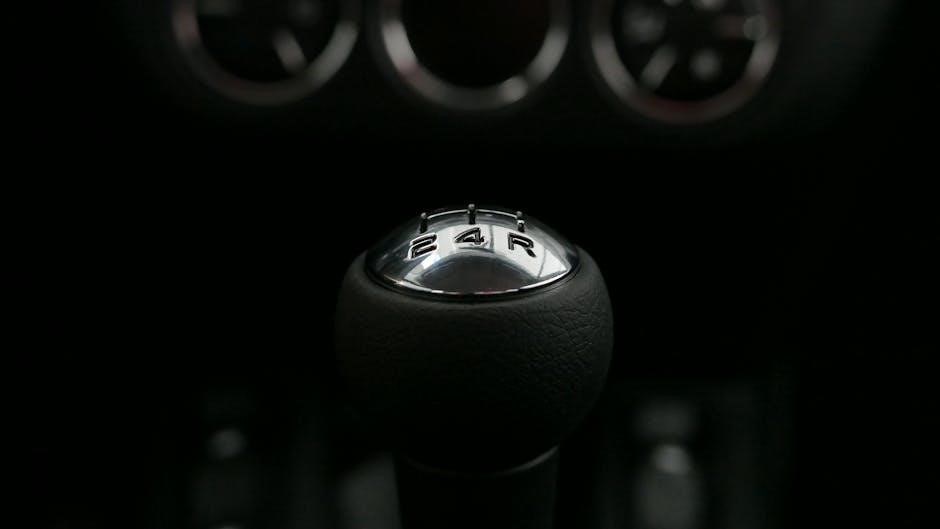
A manual car, often called a stick shift, requires the driver to manually select gears using a gear stick and clutch pedal, unlike automatic transmissions which handle this process automatically․ This direct control offers a more engaging driving experience, favored by enthusiasts for its responsiveness and connection to the road․
But why choose a manual rental? Primarily, cost savings are a significant draw․ Rental companies frequently offer lower rates for manual transmission vehicles, particularly in regions where they remain popular․ This can be especially beneficial for budget-conscious travelers․ However, the savings aren’t guaranteed across all car categories, so thorough research is crucial․
Beyond price, some drivers simply prefer the driving experience․ A manual transmission allows for greater control, particularly in challenging terrains or when engine braking is desired․ However, it’s vital to be realistic about your skills; attempting to drive a manual without experience can lead to frustration and potential damage to the vehicle․
Honesty about your abilities is paramount, as damaging the drivetrain could result in financial liability․
Potential Cost Savings with Manual Transmission Rentals
The primary incentive for opting for a manual transmission rental is often financial․ Rental companies consistently price manual vehicles lower than their automatic counterparts, presenting a tangible opportunity to reduce travel expenses․ These savings aren’t universal, varying based on location, car category, and rental company policies, necessitating diligent comparison shopping․
Significant savings can be realized in specific regions․ For example, in Argentina, a manual Ford rental through Sixt․com was found to be considerably cheaper than equivalent automatic models․ Similarly, Europe generally maintains lower prices for manual cars due to their widespread prevalence․ However, the extent of savings depends on real-time availability and demand․
It’s crucial to research thoroughly․ Don’t assume all categories offer manual options; some may be exclusively automatic․ Always compare prices directly, factoring in potential insurance costs and any additional fees․ While the savings can be substantial, they require proactive investigation to secure․

Remember to weigh the potential savings against your driving proficiency․
Availability of Manual Cars from Major Rental Companies

Finding manual transmission vehicles through traditional rental giants is becoming increasingly challenging․ While not entirely phased out, availability is significantly diminished compared to automatics, requiring proactive searching and potentially limiting your choices․ Major companies still occasionally offer manuals, but it’s not guaranteed․
Enterprise presents limited manual options, often dependent on location and fleet composition․ Hertz’s policies regarding manual car hire are similarly variable, with availability fluctuating based on demand and regional preferences․ Sixt demonstrates slightly better international availability, particularly in Europe, but even their stock is dwindling․
Expect to dedicate more time to your search․ Online booking systems may not clearly indicate manual availability, necessitating direct contact with rental locations․ Be prepared for the possibility that your preferred vehicle class may only be offered in automatic․
Turo often emerges as a more reliable source for manual rentals․
Enterprise and Manual Transmission Options
Enterprise’s availability of manual transmission vehicles is notably limited and highly inconsistent․ Unlike some competitors, Enterprise doesn’t prominently feature manual options in its online booking system, making securing one a challenge․ Availability is heavily dependent on specific rental locations and the current fleet composition at those branches․
Expect a need for direct communication․ To ascertain manual availability, prospective renters must often contact individual Enterprise locations directly via phone․ Online searches are unlikely to yield accurate results regarding manual transmission cars․
Don’t rely on a specific model being available․ Even if a location confirms they have manuals, the specific car class you desire might only be offered with an automatic transmission․ Be prepared to be flexible with your vehicle choice․
It’s crucial to inquire specifically about manual options when booking with Enterprise․
Hertz: Manual Car Hire Policies
Hertz, similar to Enterprise, presents challenges when seeking a manual transmission vehicle․ While not entirely absent, manual cars are not a standard offering and require proactive searching and direct communication to secure․
Online booking filters are unreliable․ Hertz’s website may not accurately reflect manual car availability, even when utilizing filters designed to narrow the search․ Expect discrepancies between online indications and actual inventory․
Direct contact with the rental location is essential․ Confirming manual availability necessitates a phone call to the specific Hertz branch․ Be prepared to inquire about specific vehicle classes and their transmission options․
Potential documentation requirements exist․ Hertz, like other rental companies, may request documentation verifying your ability to operate a manual transmission vehicle, or even require you to sign a waiver acknowledging your experience․
Be prepared for limited choices․
Sixt: Finding Manual Cars Internationally
Sixt demonstrates a greater likelihood of offering manual transmission vehicles, particularly outside of North America․ Their international presence often includes a wider selection of cars with manual gearboxes, making them a strong contender for travelers seeking this option․
Argentina presents a notable opportunity for savings with Sixt․ Reports indicate significant cost reductions when opting for a manual Ford, showcasing the potential financial benefits in specific regions․
Online search functionality is crucial, but not foolproof․ Utilize Sixt’s website filters to specify “manual” transmission, but always verify availability directly with the rental location․
Expect variability based on location and vehicle class․ Manual options are more common in certain countries and within specific car categories; larger or premium vehicles may have limited manual availability․
Proactive communication is key to a successful booking․
Turo as a Primary Source for Manual Car Rentals
Turo frequently emerges as the most reliable platform for securing a manual transmission rental․ Unlike traditional rental companies, Turo’s peer-to-peer model often features a broader range of vehicles offered by individual owners, increasing the probability of finding a stick shift․
This platform’s diverse inventory is a significant advantage․ Owners are more likely to maintain vehicles catering to niche preferences, like manual transmissions, which are becoming less common in standard rental fleets․

However, diligent searching and filtering are essential․ Utilize Turo’s search filters to specifically request a manual car, and carefully review vehicle descriptions to confirm transmission type․
Communication with the owner is paramount․ Directly confirm the vehicle is a true manual and inquire about any specific requirements or expectations regarding driving experience․
Be prepared for potentially varying rental terms and conditions․
The Importance of Honesty About Your Driving Ability
Transparency regarding your manual driving skills is absolutely crucial when hiring a car with a stick shift․ Rental companies, and especially Turo owners, are increasingly aware of the risks associated with inexperienced drivers attempting manual transmissions․
Misrepresenting your ability can lead to significant financial repercussions․ Damage to the clutch, gearbox, or other drivetrain components resulting from improper use is often not covered by standard rental insurance․
Some companies explicitly require renters to sign a declaration confirming their proficiency, or even demonstrate their skills before releasing the vehicle․

Attempting to conceal inexperience is a gamble․ The learning curve can be steep, and stalling or rough shifting puts undue stress on the car’s mechanics․
Honesty protects both you and the vehicle owner, ensuring a safe and financially sound rental experience․
Rental Company Requirements & Liability for Damage
Rental companies are increasingly cautious about manual transmission rentals, often implementing specific requirements to mitigate risk․ Expect potential documentation requests verifying your ability to operate a manual vehicle effectively․
Liability for damage is a key concern․ Standard rental agreements typically cover collision damage, but drivetrain damage – specifically affecting the clutch, gearbox, or related components – is frequently excluded if caused by driver error․
You could be held financially responsible for repairs resulting from misuse, such as riding the clutch or improper gear changes․
Carefully review the rental agreement’s terms and conditions before signing, paying close attention to clauses regarding mechanical damage․
Consider supplemental insurance options that may offer broader coverage, but confirm whether they specifically include drivetrain components․
Transparency about your driving experience is vital to avoid disputes and unexpected costs․
Documents You May Be Asked to Sign
Beyond the standard rental agreement, expect potential supplementary documentation when opting for a manual transmission vehicle․ Rental companies are increasingly focused on protecting themselves from potential damage claims․
A “Manual Transmission Acknowledgment” form is common, requiring you to explicitly state you are proficient and experienced in operating a vehicle with a manual gearbox․
Some companies may request proof of experience, though this is less frequent․ Be prepared to potentially demonstrate basic competency if challenged․
Carefully read the fine print of any additional forms before signing․ Pay close attention to clauses detailing your liability for drivetrain damage․
Understand that signing these documents constitutes a legal agreement, binding you to the stated terms and conditions․
Don’t hesitate to ask questions about any unclear provisions before providing your signature․
Keep copies of all signed documents for your records․
Geographical Locations Where Manual Rentals are More Common
Manual transmission vehicles remain prevalent in several regions globally, making them easier to find for rental purposes․ Europe consistently stands out as a stronghold for stick-shift cars, with a higher percentage of the population knowing how to drive them․
Availability is particularly strong in Western and Southern European countries, where automatics haven’t historically been as popular․ Expect a wider selection and potentially lower prices․
South America also presents opportunities, notably in countries like Argentina․ Rental rates for manual cars can be significantly lower than their automatic counterparts․
Outside these areas, finding a manual rental can be more challenging․ Availability often depends on specific rental companies and local market demand․
Researching individual countries and cities is crucial to assess the likelihood of securing a manual transmission vehicle․
Consider that even within Europe, availability can vary between nations․
Be prepared to broaden your search if your preferred location has limited options․
Europe: A Stronghold for Manual Transmission Cars
Europe remains the most reliable continent for securing a manual car rental, due to its deeply ingrained driving culture․ Historically, manual transmissions have been the standard, leading to a larger pool of available vehicles and drivers proficient in operating them․
Western and Southern European nations, such as France, Italy, Spain, and Portugal, consistently offer a greater selection of manual cars compared to automatics․
This prevalence translates to competitive pricing, often making manual rentals a more budget-friendly option for travelers․

However, even within Europe, availability isn’t uniform․ Countries like the UK and Scandinavia have seen a rise in automatic transmission popularity․
Major rental companies in Europe generally maintain a stock of manual vehicles, but it’s always advisable to book in advance, especially during peak season․
Expect a smoother rental experience if you’re comfortable driving a stick shift in this region․
Don’t assume that a manual will automatically be offered; specifically request it during the booking process․
South America (Argentina Example): Potential Savings
South America, particularly Argentina, presents a compelling case for manual car hire due to significant cost savings․ The region often features lower rental rates for vehicles with manual transmissions compared to their automatic counterparts․
For instance, recent reports indicate that a manual Ford rental on Sixt․com in Argentina could be secured for around $50․25, showcasing a substantial difference in price․
This price disparity stems from lower demand for automatic vehicles and a greater prevalence of manual transmissions among the local population․
However, availability can be variable and dependent on location within the country․
Travelers should thoroughly research rental options and compare prices across different companies․
Be prepared for potentially limited availability in more tourist-centric areas․
Confirming the specific vehicle and transmission type during booking is crucial to avoid unexpected charges or vehicle substitutions․
Argentina offers a unique opportunity to experience substantial savings by opting for a manual car rental․
Tips for Successfully Booking a Manual Car
Securing a manual car rental requires proactive steps and careful planning․ Don’t assume availability; manual transmissions are becoming less common, so book well in advance, especially during peak seasons․
Utilize specific search filters on rental company websites․ Look for options to specifically request a manual transmission vehicle, rather than relying on general vehicle categories․
Consider peer-to-peer platforms like Turo, which often have a wider selection of manual cars available than traditional rental agencies․
Be prepared to contact the rental company directly to confirm your request, even after booking online․ A phone call can ensure your preference is noted․
Clearly state your requirement for a manual transmission in any communication․
Document all confirmations in writing, including any reference numbers or agent names․
If a manual isn’t guaranteed, inquire about the possibility of upgrading to one at the rental counter, though this isn’t always feasible․
Flexibility with dates can sometimes increase your chances of securing a manual vehicle․
Pre-Rental Inspection: Focusing on Clutch and Gearbox
A thorough pre-rental inspection is crucial with a manual transmission vehicle, focusing specifically on the clutch and gearbox to avoid potential liability for pre-existing damage․
Start the engine and test the clutch pedal’s travel; it should feel firm and consistent, not spongy or overly loose․ Check for any unusual noises when depressing or releasing the pedal․
Run through all the gears, both in neutral and while stationary, listening for grinding or difficulty shifting․ Pay attention to how smoothly the gear lever moves․
Test the clutch’s bite point while in first gear․ It shouldn’t be excessively high or low, indicating potential wear․
Perform a short test drive to assess the clutch’s performance under load․ Look for slipping or shuddering during acceleration․
Document any issues – unusual noises, stiff shifting, or clutch problems – with photos or videos before leaving the rental lot․
Immediately report any concerns to the rental company and request documentation of the reported issue․
This proactive approach protects you from being held responsible for pre-existing mechanical faults․
What to Do If You Stall or Have Difficulty Driving
Stalling a manual car is common, especially for infrequent drivers; don’t panic! Immediately depress the clutch and brake pedals to prevent rolling․
Restart the engine and gently re-engage first gear, applying a small amount of gas․ Remember smooth coordination between the clutch and accelerator is key․

If you’re struggling on a hill, use the handbrake to hold the car while finding the bite point․ Release the handbrake gradually as you accelerate․
Difficulty shifting gears can indicate a problem with the clutch or gearbox․ Try double-declutching (downshifting) if you’re familiar with the technique․
If issues persist, pull over to a safe location and assess the situation․
Contact the rental company’s roadside assistance for help, explaining the problem clearly․
Avoid forcing gears as this could cause damage and potential liability․
Honesty about your ability is vital; don’t attempt to drive if you feel unsafe or uncomfortable․
Alternatives to Traditional Rental Companies
Beyond established rental giants, peer-to-peer platforms are emerging as prime sources for manual transmission vehicles․ Turo, in particular, frequently offers a wider selection of stick-shift cars than traditional agencies․
These platforms connect renters directly with car owners, potentially yielding more diverse vehicle options and competitive pricing․ However, carefully review the vehicle listing and owner’s profile․
Check insurance coverage and liability terms before booking, as these can differ from traditional rental agreements․ Read reviews from previous renters to gauge the owner’s responsiveness and vehicle condition․
Consider local car-sharing services that may include manual cars in their fleet․ These options can be convenient for short-term rentals within urban areas․
Be prepared for potentially less standardized processes compared to major rental companies․
Thoroughly inspect the vehicle before accepting it, documenting any existing damage․
Understand the cancellation policies and any associated fees․
Expanding your search beyond traditional avenues significantly increases your chances of securing a manual car․
Peer-to-Peer Rental Platforms: Expanding Your Options

Peer-to-peer rental platforms, like Turo, represent a significant shift in the car rental landscape, often proving the best avenue for securing a manual transmission vehicle․ Traditional rental companies are increasingly phasing out manual options, making these platforms invaluable․
Turo’s decentralized model allows individual owners to list their cars, resulting in a greater diversity of vehicles, including those with stick shifts․ This contrasts sharply with the standardized fleets of larger corporations․
However, due diligence is crucial․ Carefully examine vehicle listings, owner profiles, and renter reviews․ Verify insurance coverage and understand the platform’s liability policies․ Communication with the owner is key to clarifying any questions before booking․
Expect a less standardized experience than with traditional rentals, but the increased availability of manual cars often outweighs this difference․
Thoroughly document the vehicle’s condition upon pickup and return․
Be aware of potential variations in cancellation policies․
These platforms empower renters to find unique vehicles and support individual car owners․